Overview of the Everest Base Camp Trek
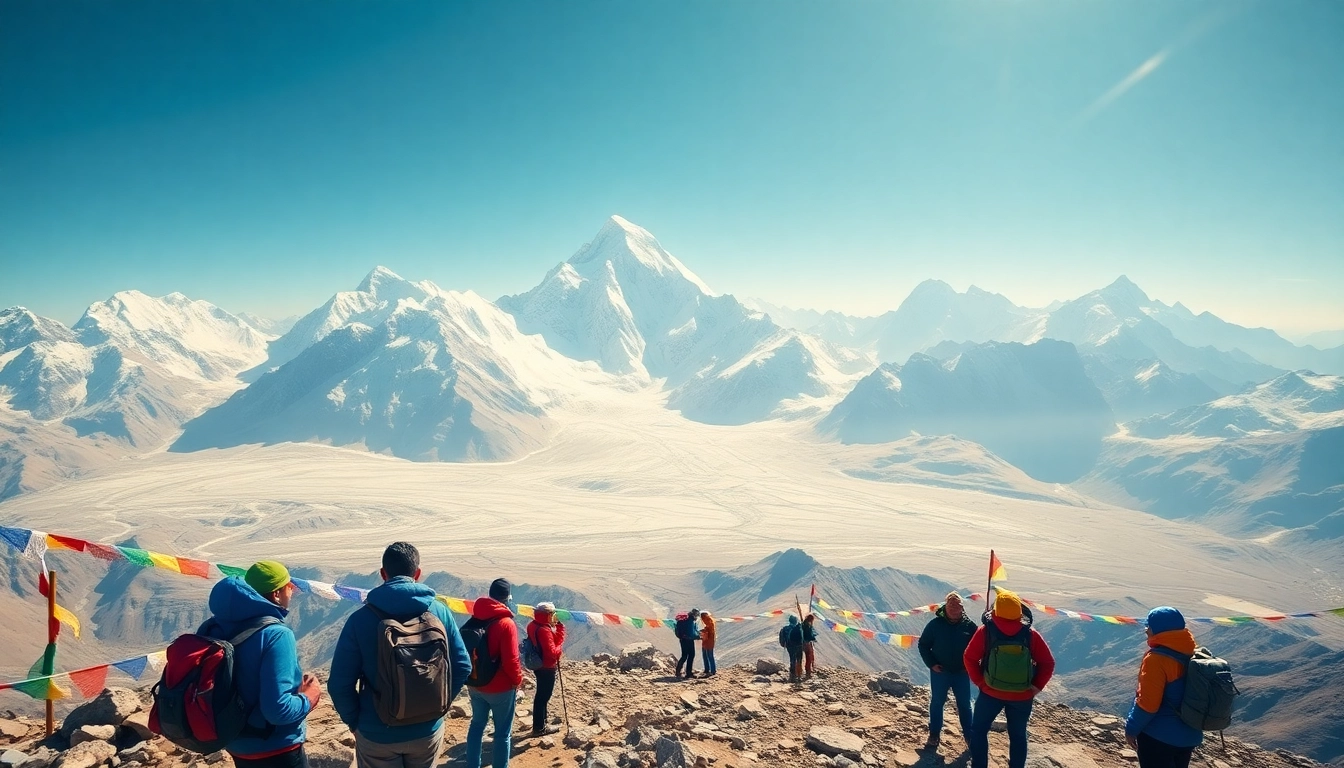
The Everest Base Camp Trek is one of the most iconic and sought-after adventures in the travel community, drawing trekkers from every corner of the globe. Over the span of 14 days, this remarkable journey takes you through the breathtaking landscapes of Nepal, allowing you to immerse yourself in the rich culture and tradition of the Sherpa people. Along the trek, you will encounter a medley of stunning vistas, challenging terrains, and the unique wildlife of the Sagarmatha National Park. For those contemplating this adventure, Everest base camp serves as a launching point for climbers and passionate trekkers alike, providing a once-in-a-lifetime experience that includes witnessing the grandeur of Mount Everest from its base.
What to Expect from Your Journey to Everest Base Camp
The trek to Everest Base Camp is a blend of challenge and beauty. As you ascend through picturesque villages and cross high suspension bridges, each step offers new delights for the senses. Trekkers can expect a mix of daunting climbs and easier trails, all while acclimatizing to the high altitude. Live interactions with local Sherpas provide insights into their traditions and daily life, making every moment enriching. This trek is not merely about reaching the destination; instead, it is equally about the journey.
Importance of Acclimatization and Planning
Acclimatization is a critical component of the Everest Base Camp trek. The trek progresses steadily in altitude, allowing your body the necessary time to adapt to the lower oxygen levels. This careful planning helps in mitigating the risks of altitude sickness, which can be a significant challenge. It is recommended that trekkers take their time, especially when reaching the higher elevations, and not rush their journey.
Top Highlights of the Trekking Experience
- Stunning views of Mount Everest, Lhotse, and other towering peaks from various vantage points.
- Cultural encounters with the Sherpa community, including visits to ancient monasteries.
- Exploring Namche Bazaar, the vibrant hub of the Everest region.
- Experiencing the tranquil beauty of the Khumbu Glacier.
- Witnessing sunrise from the iconic Kala Patthar viewpoint.
Detailed Itinerary for the 14-Day Trek
Day-by-Day Breakdown of the Trek
The 14-day Everest Base Camp itinerary is carefully crafted to ensure that trekkers not only reach their destination but also enjoy the various attractions on the way. Starting from your arrival in Kathmandu, the journey unfolds with a domestic flight to Lukla and culminates in a remarkable trek to Everest Base Camp.
Key Points for Each Trekking Stage
- Day 1: Arrival in Kathmandu.
- Day 2: Fly to Lukla and trek to Phakding.
- Day 3: Trek to Namche Bazaar, acclimatization.
- Day 4: Acclimatization day at Namche, hike to Hotel Everest View.
- Day 5: Trek to Tengboche.
- Day 6: Trek to Dingboche.
- Day 7: Acclimatization day at Dingboche, hike to Nangkartsang Peak.
- Day 8: Trek to Lobuche.
- Day 9: Trek to Everest Base Camp and back to Gorak Shep.
- Day 10: Hike to Kala Patthar and then descend to Pheriche.
- Day 11: Trek back to Namche Bazaar.
- Day 12: Trek back to Lukla.
- Day 13: Flight back to Kathmandu or Manthali.
- Day 14: Departure.
Accommodation and Meals Along the Route
Throughout the trek, accommodation is primarily in local guesthouses known as teahouses. While basic, these teahouses provide comfort and essential amenities. Meals typically consist of traditional Nepalese dishes like dal bhat, noodles, and various vegetarian options, catered to the dietary preferences of trekkers. Hot drinks are usually included with meals, and options for snacks can be found along the trail.
Essential Gear and Packing List for the Trek
Must-Have Clothing and Equipment
When preparing for the Everest Base Camp trek, proper gear is fundamental to your comfort and safety. Key items include:
- Durable trekking boots
- Layered clothing for varying temperatures
- Warm jackets, gloves, and hats
- Sleeping bag rated for -15°C
- Water bottles and hydration packs
Travel Essentials to Bring for Your Adventure
In addition to clothing, there are several travel essentials to consider. Make sure to pack:
- Personal medications and first aid kit
- Sunblock and lip balm with SPF
- Portable charger for electronic devices
Optional Gear for Enhanced Comfort
Some optional items can elevate your trekking experience, such as:
- Walking poles for stability on rough terrain
- Cameras for capturing breathtaking scenery
Health and Safety Tips for Trekking at High Altitude
Recognizing Signs of Altitude Sickness
Altitude sickness is a concern for all trekkers. It is essential to be aware of symptoms such as headaches, nausea, and dizziness. Learning to recognize these early signs can help you address potential health issues before they escalate. Always inform your guide if you experience any discomfort.
Best Practices for Staying Healthy on the Trail
Staying hydrated and eating well are critical for maintaining energy levels and overall health during the trek. Consume plenty of fluids, and include carbohydrate-rich foods in your diet to support your energy needs.
Emergency Protocols and Assistance Availability
All trekkers are encouraged to have travel insurance that covers high-altitude trekking. In case of an emergency, guides are equipped with knowledge of the available protocols and can assist in seeking medical help if required.
Cost and Booking Your Everest Base Camp Adventure
Understanding the Expenses Involved
The cost of the Everest Base Camp trek varies based on factors like the trekking agency, inclusions, and other miscellaneous expenses. It’s advisable to budget for additional costs, including snacks, beverages, and tips for guide and porters.
How to Book Your Trek for 2025
Booking these adventures should be done well in advance, particularly for popular trekking seasons. Researching and selecting a reputable agency, such as Ace the Himalaya, is critical for a successful experience.
Finding the Right Trekking Agency
When searching for a trekking agency, consider their experience, safety protocols, and reviews from past trekkers. Choosing a well-established agency will enhance your overall trekking experience.