Understanding the Importance of Power Flush in Home Heating
In today's fast-paced world, maintaining an efficient and effective heating system is crucial for any homeowner. As systems age, they can accumulate sludge, rust, and debris that significantly impair their performance. This is where the concept of power flush comes into play, providing a vital solution to restore and optimize heating systems. By ensuring that your heating system is free from blockages, you can enhance its efficiency, prolong its lifespan, and reduce energy bills.
What is Power Flush and How Does it Work?
Power flushing is a thorough cleaning process designed for central heating systems. It involves using a specialized machine to force water and cleaning chemicals through the system at high velocity. This process dislodges and removes any build-up of sludge, rust, and other debris that may be obstructing the normal flow of water. By doing so, power flushing not only cleans the existing system but also helps to maintain optimal performance in the long term.
The process typically includes the following steps:
- System Isolation: The heating system is isolated to ensure the cleaning process does not interfere with the rest of the plumbing in the home.
- Chemical Treatment: A specially formulated cleaning solution is added to help break down stubborn deposits and contaminants.
- Flushing: High-pressure water is circulated throughout the system, effectively dislodging and carrying away the accumulated debris.
- System Refill: After the cleaning, the system is refilled with clean water, and inhibitor is added to prevent future corrosion.
Benefits of Power Flushing Your Heating System
Power flushing comes with a variety of benefits for homeowners concerned about the performance of their heating systems. Here are some key advantages:
- Improved Efficiency: Removing blockages allows water to flow more freely, which can enhance the overall efficiency of the heating system.
- Cost Savings: A more efficient heating system uses less energy, which can lead to lower heating bills over time.
- Extended Lifespan: Regular power flushing can help extend the life of the heating system by reducing wear and tear caused by corrosion and blockages.
- Better Heat Distribution: With a clean system, heat is distributed more evenly throughout your home, leading to increased comfort.
Common Misconceptions About Power Flushing
Despite its benefits, there are several misconceptions surrounding power flushing that can cause confusion among homeowners:
- It's Only for Old Systems: While older systems do benefit greatly, newer systems can also accumulate debris over time, warranting a power flush.
- It Can Damage Your System: When performed by professionals, power flushing is safe and can actually help prevent damage by removing harmful deposits.
- It's an Unnecessary Expense: Regular maintenance, including power flushing, can save you money in the long run by preventing costly repairs.
Step-by-Step Guide to Performing a Power Flush
Homeowners who are considering a power flush may wonder about the actual process and what it entails. This guide will help you understand how to prepare for and execute a power flush effectively.
Preparation: Tools and Equipment Needed
Before beginning a power flush, it's essential to have the right tools and equipment:
- Power flushing unit
- Water supply
- Cleaning chemicals
- Hoses and connectors
- Pressure gauge
- Safety equipment (gloves, goggles)
Executing the Power Flush: The Process Explained
When ready to begin, follow these steps for a successful power flush:
- Isolate the System: Close valves to prevent water from entering or exiting the system during flushing.
- Connect the Flushing Unit: Attach the power flushing unit to your heating system, ensuring all connections are secure.
- Add Cleaning Chemicals: Introduce the appropriate cleaning solution into the system.
- Start the Flushing Process: Activate the machine to begin circulating water through the system at high velocity.
- Monitor Pressure: Keep an eye on the pressure gauge to ensure optimal flow during the process.
- Flush Until Clean: Continue the process until the water runs clear, indicating that all debris has been removed.
Post-Flush: Evaluating System Performance
Once the power flush is complete, it's essential to evaluate your heating system's performance:
- Check for leaks or issues that may have arisen during the process.
- Refill the system with clean water and add a corrosion inhibitor.
- Test the heating system to ensure it operates efficiently and effectively.
When to Consider a Professional Power Flush Service
While some homeowners may feel inclined to perform a power flush themselves, certain indicators suggest that professional assistance may be necessary.
Signs That Your Heating System Needs a Power Flush
Identifying issues early can save both time and money. Watch for these signs:
- Cold spots on radiators, indicating uneven heating
- Strange noises from the boiler or radiators, such as gurgling or banging
- Increased heating bills despite consistent usage
- Frequent need for boiler repairs
Choosing the Right Leak Detection and Power Flushing Service
When selecting a service provider for your power flushing needs, consider the following:
- Experience and qualifications of technicians
- Range of services offered, including leak detection
- Customer reviews and testimonials
- Guarantees on work performed
Cost Considerations for Professional Power Flushing
The cost of a power flush can vary significantly based on factors such as:
- Size of the heating system
- Complexity of the installation
- Location and market rates
On average, homeowners can expect to pay between £300 to £800 for professional services, depending on the specifics of their system.
Advanced Techniques and Technologies in Power Flushing
As technology advances, so do the methods used for power flushing. Understanding these innovations can help homeowners make informed decisions regarding their heating systems.
Innovative Tools for Enhanced Power Flushing Efficiency
Recent developments have introduced tools that enhance the efficiency and effectiveness of power flushing, such as:
- Magnetic filtration systems that capture debris before it enters the central heating system.
- Variable pressure systems that adjust based on the condition of the system being flushed.
- Automated monitoring systems that track and report on system performance during the power flushing process.
Using Thermal Imaging in Power Flush Procedures
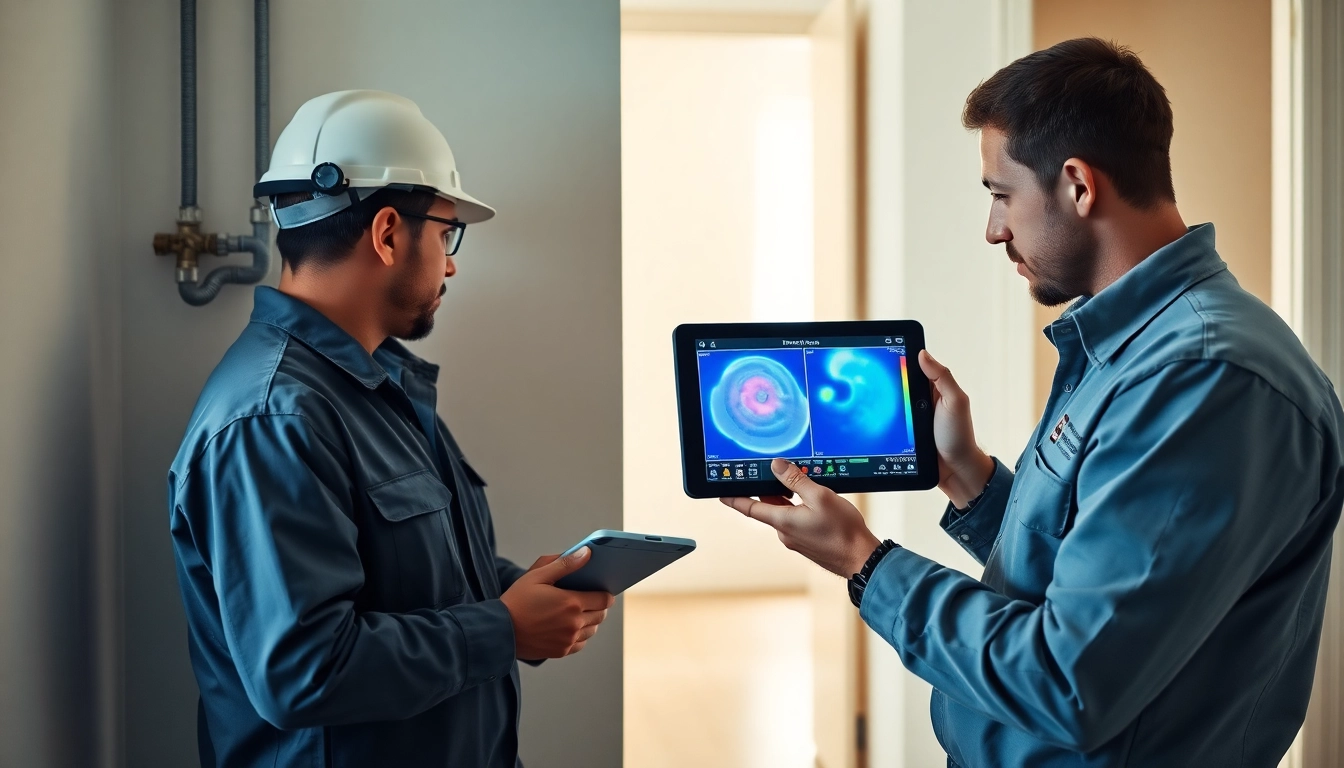
Thermal imaging technology has become a valuable asset in diagnosing heating system issues. By detecting temperature variations, technicians can pinpoint areas requiring power flushing more accurately, ensuring a targeted approach to maintenance.
Future Trends in Leak Detection and Power Flushing Technologies
The future of power flushing and leak detection is promising, with ongoing research and innovation leading to more efficient and cost-effective solutions. For instance:
- Integration of AI and machine learning in diagnostic tools to predict maintenance needs.
- Advanced chemical solutions that enhance cleaning capability while being environmentally friendly.
Case Studies: Successful Power Flush Implementations
Examining real-life applications of power flushing can provide valuable insights into its effectiveness.
Residential Success Stories: Homeowner Experiences
Homeowners have reported significant improvements in heating efficiency and comfort after having their systems professionally power flushed. Case studies reveal:
- One family noted a reduction in energy costs by over 20% following the flush, alongside improved heat distribution in their home.
- A retired couple found that their previously noisy heating system became silent after addressing sludge build-up through a power flush.
Commercial Power Flushing: Scaling Up Efficiency
Commercial establishments have also seen benefits from power flushing, particularly in large buildings where heating systems can become complicated:
- A local school noted a reduction in boiler repairs by 50% after implementing a regular power flush schedule, ensuring comfortable classroom temperatures.
- A hotel improved guest satisfaction ratings, as power flushing led to consistent heating throughout the building.
Lessons Learned from Power Flushing Projects
Through various implementations, key lessons have emerged regarding best practices for power flushing:
- Regular maintenance is crucial to prevent costly repairs.
- Investing in professional services often yields better long-term results than DIY approaches.