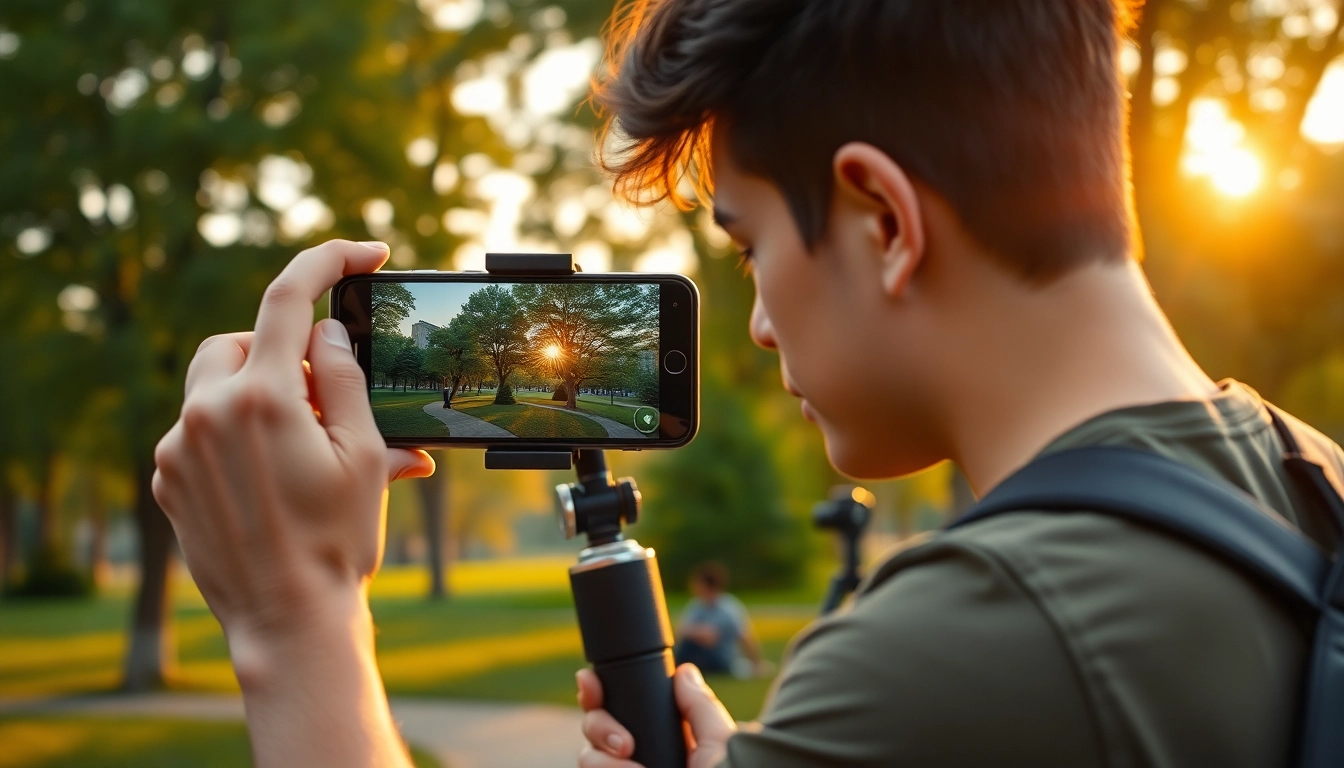
Understanding the Basics of Smartphone-Gimbals
In the ever-evolving landscape of content creation, the demand for smooth, professional-looking videos has surged. Enter the smartphone-gimbal, a tool that has transformed the way filmmakers, vloggers, and casual users capture their moments. By combining motorized stabilization technology with user-friendly features, these devices make it easier than ever to film steady and dynamic footage. When exploring options, Smartphone-Gimbal offers comprehensive insights into choosing the right model for your needs.
What is a Smartphone-Gimbal?
A smartphone-gimbal is a handheld stabilizer designed for mobile phones. Its core function is to counteract unwanted movements, which can result in shaky footage. Unlike traditional tripods, smartphone-gimbals use gyroscope technology and motors to maintain a steady shot even when the operator is in motion. This innovation has made them popular among filmmakers who wish to achieve high-quality video without the bulkiness of traditional camera rigs.
How Smartphone-Gimbals Work
The mechanics behind smartphone-gimbals involve a combination of sensors and motors. Typically, a three-axis gimbal will stabilize the phone along three planes: yaw (left and right), pitch (up and down), and roll (tilting side to side). This multi-directional stabilization helps to ensure that the footage remains smooth, even during active movements like running or walking. When a user tilts, pans, or moves the gimbal, the embedded sensors detect these changes and adjust the motors accordingly to keep the smartphone steady.
Benefits of Using a Smartphone-Gimbal
Utilizing a smartphone-gimbal can significantly enhance the quality of your video content. Here are several compelling benefits:
- Smooth Footage: Gimbals reduce shakiness, delivering cinematic-quality results.
- Enhanced Versatility: With various shooting modes and settings, users can experiment with different styles of filming.
- Ease of Use: Many gimbals are designed for quick setup and intuitive operation, making them accessible for beginners.
- Portable Design: Most models are lightweight and compact, allowing for easy transport during shoots.
Choosing the Right Smartphone-Gimbal for Your Needs
As the smartphone-gimbal market expands, selecting the right model can be challenging. Various factors come into play, including the features offered, the price range, and user needs. It’s essential to understand which specifications align with your filming requirements.
Top Features to Look For in 2025
When shopping for a smartphone-gimbal, consider these key features that are trending in 2025:
- AI Tracking: Advanced models use artificial intelligence to automatically track subjects, allowing for hands-free filming.
- Battery Life: Look for gimbals that offer extended battery life, ideally 12 hours or more, to accommodate longer filming sessions.
- Compatibility: Ensure that the gimbal is compatible with your specific smartphone model, particularly if you use a larger or heavier device.
- App Integration: Some gimbals come with companion apps that provide additional functionalities like editing tools and preset modes.
Comparison of Popular Smartphone-Gimbals
To assist in your decision-making process, here is a comparison of some leading smartphone-gimbals on the market:
Gimbal ModelFeaturesPriceDJI Osmo Mobile 7PNative tracking, 3-axis stabilization$159Insta360 Flow 2 ProAI tracking, extended battery life$249Hohem iSteady V3Multiple shooting modes, light-weight design$89
Price vs. Performance: Finding Your Ideal Match
While it might be tempting to go for the cheapest option, it’s vital to balance price with performance. Keep in mind the factors that are most important to your filming style—whether it’s battery life, compatibility, or advanced features. In some cases, spending a little more can result in significantly better video quality and user experience.
Mastering Smartphone-Gimbal Techniques
Investing in a smartphone-gimbal is just the first step; mastering its use is where the true magic happens. Familiarizing yourself with essential filming techniques can elevate your videos from amateur to professional.
Essential Techniques for Steady Filming
Here are some basic techniques to get you started:
- Practice Your Grip: Hold the gimbal with both hands for maximum control; this helps prevent jerky movements.
- Use Smooth Movements: Slow and steady motion is key. Quick or jerky motions can result in unusable footage.
- Keep Your Arms Close: Keeping your elbows tucked into your body reduces instability.
Advanced Movements and Techniques for Dramatic Shots
Once you master basic techniques, you can start experimenting with advanced movements:
- Whip Pans: Quickly pan the gimbal side to side for dynamic transitions.
- Low Angle Shots: Film from below eye level for a unique perspective that engages viewers.
- Orbiting Shots: Move around your subject in a circular fashion for dramatic effect.
Common Mistakes to Avoid with Smartphone-Gimbals
Even seasoned users can make errors that affect their footage. Here are common mistakes to avoid:
- Forgetting to Calibrate: Always ensure your gimbal is calibrated correctly before shooting.
- Using the Wrong Mode: Familiarize yourself with the gimbal's modes to ensure you're using the most suitable one for your shot.
- Neglecting the Battery: Always check your battery life before filming to avoid interruptions.
Editing and Post-Production for Gimbal Footage
Capturing remarkable footage is only part of the journey. Editing enhances your raw clips into polished final products. Knowing which tools and techniques to use can make a significant difference.
Choosing the Right Editing Software
Selecting appropriate editing software is crucial. Here are a few recommendations that cater to different skill levels:
- Beginner: iMovie and Windows Movie Maker are user-friendly options.
- Intermediate: Adobe Premiere Elements offers more features without the complexity of professional software.
- Advanced: Adobe Premiere Pro and Final Cut Pro X provide comprehensive tools for high-quality editing.
Best Practices for Enhancing Gimbal Footage
Enhancing your footage requires a keen eye and some best practices:
- Trim Excess Footage: Keep your videos concise; cut out any unnecessary scenes.
- Stabilize in Post: Use software stabilization tools if your footage still feels shaky.
- Use Cuts and Transitions: Employ creative transitions to maintain viewer engagement throughout your video.
Color Grading Techniques for Gimbal Work
Color grading can add a professional touch to your videos. Here are few techniques:
- Adjust White Balance: Ensure colors appear natural by correcting any color casts.
- Enhance Contrast: Increase contrast to give your footage a more dynamic range.
- Use LUTs: Look-Up Tables (LUTs) can provide instant color profiles for your footage.
Future Trends in Smartphone-Gimbal Technology
As technology progresses, smartphone-gimbals are poised for exciting innovations. Here’s what to expect in the coming years.
Emerging Features and Innovations for 2025
Future models are likely to incorporate:
- Improved Connectivity: Enhanced Bluetooth and Wi-Fi capabilities for better synchronization with smartphones.
- Augmented Reality Integration: AR features may provide users with real-time data overlays during filming.
- Wireless Charging: Future gimbals could support wireless charging, improving user convenience.
The Role of AI in Smartphone-Gimbal Functionality
Artificial intelligence is likely to play a significant role in how gimbals operate. Features such as automatic subject tracking and intelligent stabilization algorithms could become standard, allowing for more creative and intricate shots.
What to Expect in Smartphone-Gimbal Designs
Toward the future, expect gimbals to become even more user-friendly and aesthetically pleasing. Designs may lean towards compact, foldable models that are easier to transport without sacrificing performance. Ergonomic grips and customizable features could also cater to niche markets like vloggers and professional filmmakers.