The Importance of Computer Recycling Newbury
In a world increasingly dominated by digital technology, the disposal of electronic waste has become a pressing environmental concern. As computers and other electronic devices reach the end of their life cycles, proper recycling methods are essential. Residents in Newbury can play a crucial role by participating in computer recycling newbury. This practice not only helps mitigate environmental damage but also fosters a sustainable community.
Understanding E-Waste and Its Impact
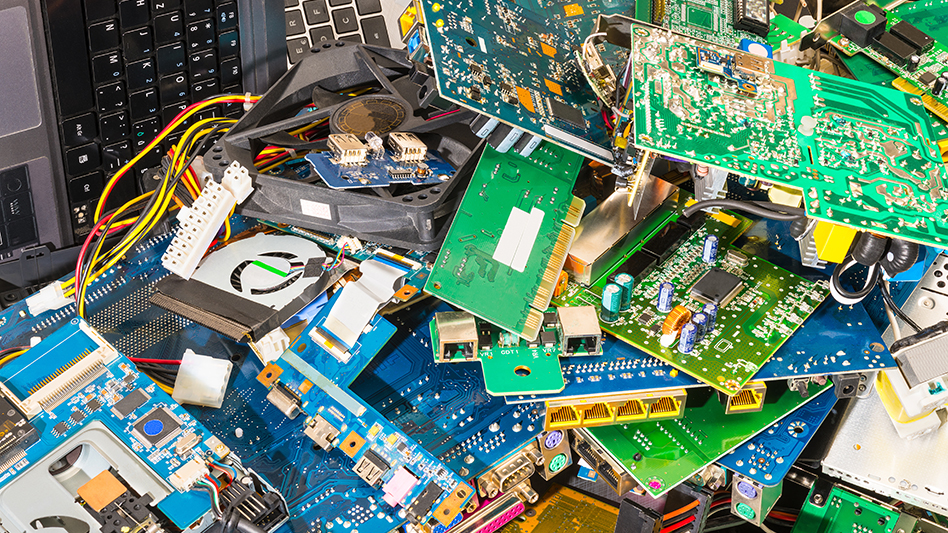
E-waste, or electronic waste, refers to unwanted electrical or electronic devices. The rapid pace of technological advancements leads to significant e-waste generation. In fact, according to estimates from environmental agencies, approximately 50 million metric tons of e-waste are produced each year globally. This figure is expected to rise, given the increasing reliance on technology in various sectors, from personal computing to industrial applications.
The disposal of e-waste poses substantial environmental risks. Many electronic devices contain hazardous substances such as lead, mercury, and cadmium, which can leach into soil and water systems if not disposed of properly. By investing in responsible recycling efforts, the Newbury community can reduce the overall negative impact on the environment and promote health safety.
Benefits of Computer Recycling for the Environment
Recycling computers and electronic devices provides multiple environmental benefits. First and foremost, it reduces landfill waste. Traditional waste disposal methods result in significant amounts of electronic rubbish being dumped into landfills, where harmful materials can harm ecosystems. Recycling efficiently diverts this waste, thus conserving natural resources.
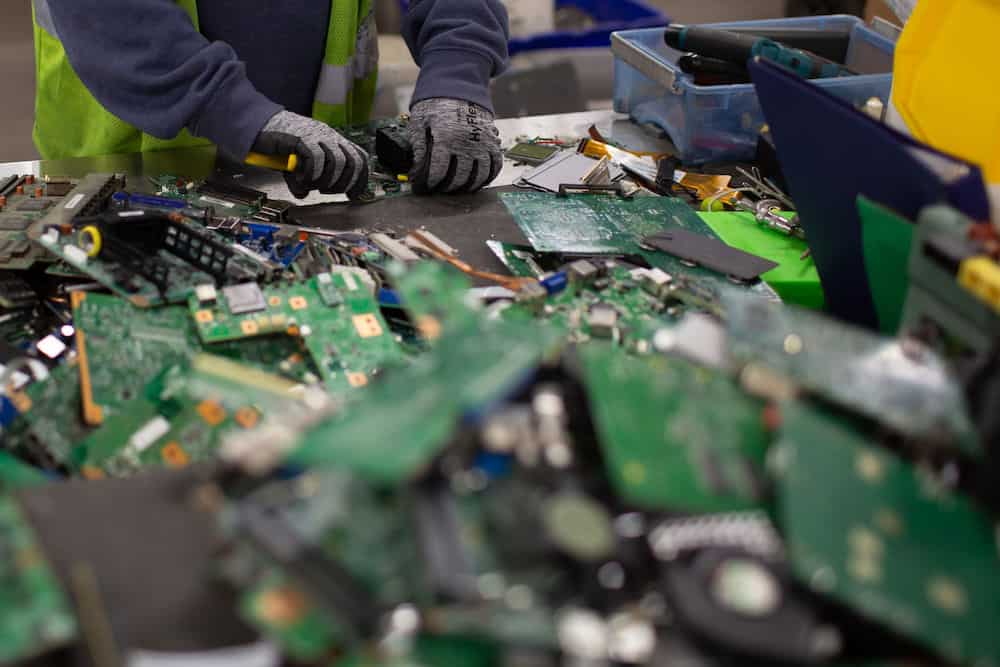
Moreover, the recycling process retrieves valuable materials such as copper, silver, gold, and rare earth elements. These materials can be reused in the production of new electronics, thereby decreasing the need for mining and extracting new resources, which is often ecologically damaging and carbon-intensive.
How Computer Recycling Affects Local Communities
Incorporating effective computer recycling practices can have a positive ripple effect throughout local communities. For starters, it promotes job creation in recycling centers and related industries. Facilities dedicated to e-waste management employ individuals for various roles, from logistics to technical analysis.
Besides economic benefits, recycling enhances community awareness around environmental responsibility. Residents who engage in recycling initiatives are likely to influence others to follow suit. This builds a culture of sustainability as community members understand the importance of responsible disposal and its implications for future generations.
Steps for Effective Computer Recycling Newbury
Preparing Your Equipment for Recycling
Before handing over devices for recycling, it’s crucial to prepare them appropriately. Begin by removing any personal data and sensitive information. This is typically done by wiping hard drives clean with certified software or seeking professional data destruction services. It is important to understand that even seemingly harmless devices can store personal data, from desktops to peripheral devices.
Finding Reliable Recycling Centers
Selecting a trustworthy recycling center is a critical step in the recycling process. Research local facilities, ensuring they adhere to environmental regulations and possess proper certifications. Look for reviews or ask for recommendations within the community. A reliable center will be able to provide documentation indicating that they practice safe and responsible recycling and disposal methods.
What to Expect During the Recycling Process
Upon arriving at a recycling center, expect to participate in a straightforward drop-off or collection procedure. Most centers will assess the devices to determine their condition and the proper recycling method. They may offer a breakdown of how the materials will be processed, reassuring you that valuable resources will be salvaged while harmful elements are disposed of correctly.
Understanding Regulations Around Computer Recycling Newbury
Local Laws and Guidelines on E-Waste Disposal
Awareness of local laws regarding e-waste disposal is crucial for residents of Newbury. Understanding these regulations helps ensure compliance while also promoting responsible recycling. Many municipalities have specific guidelines that prohibit the disposal of certain electronic items in regular trash. Instead, designated recycling events or centers are provided as safe alternatives.
Federal Regulations Governing Electronics Recycling
At the federal level, various laws regulate the disposal of electronic waste to protect the environment and human health. These regulations often mandate the proper handling and processing of hazardous waste, which includes e-waste. Understanding these laws ensures not only compliance but also the promotion of environmental stewardship on a broader scale.
Best Practices for Businesses
Businesses, like individuals, need to implement effective recycling practices for used electronics. Organizations should establish a clear policy for e-waste disposal, which can include regular audits to assess electronic usage and equipment lifecycles. Collaborating with reputable recycling centers can ensure compliance with both local and federal regulations and promote corporate social responsibility.
Common Myths About Computer Recycling Newbury
Debunking Misconceptions About E-Waste
There are many misconceptions surrounding e-waste recycling, leading people to hesitate in participating. One common myth is that all recyclers operate similarly, but this is far from true. The qualifications and methods of recycling centers can vary significantly, impacting the environmental effect. It’s vital to choose certified facilities that emphasize safe practices.
Clear Up Confusion About Data Security
Another prevalent concern is data security. Many individuals worry that their personal information can be retrieved from recycled devices. However, establishing proper data destruction methods—such as degaussing or physical destruction—ensures data can’t be recovered. Certified recyclers can provide documentation to guarantee that your information is secure during the recycling process.
Addressing Concerns About Cost and Accessibility
Many people believe that computer recycling is costly or hard to access. In reality, numerous local centers offer free or low-cost recycling options. Additionally, communities often hold events that allow residents to drop off their electronic waste conveniently. Seeking out these opportunities can dispel the notion that recycling isn’t a feasible option.
Frequently Asked Questions About Computer Recycling Newbury
What can I recycle?
Most computer hardware, from desktops to peripherals, can be recycled, including monitors, keyboards, and more.
Is there a cost for recycling?
Many centers offer free drop-off services. However, some specific items may incur charges, so it’s wise to check in advance.
How do I ensure my data is secure?
Choose certified recycling services that provide data destruction assurances or wipe data before recycling to keep your information safe.
Can businesses recycle their computers?
Yes, businesses can recycle old computers and often have specialized services available for bulk recycling operations.
What happens to electronics after recycling?
Recycled electronics are dismantled, and materials are recovered for reuse, reducing overall waste and promoting resource efficiency.