
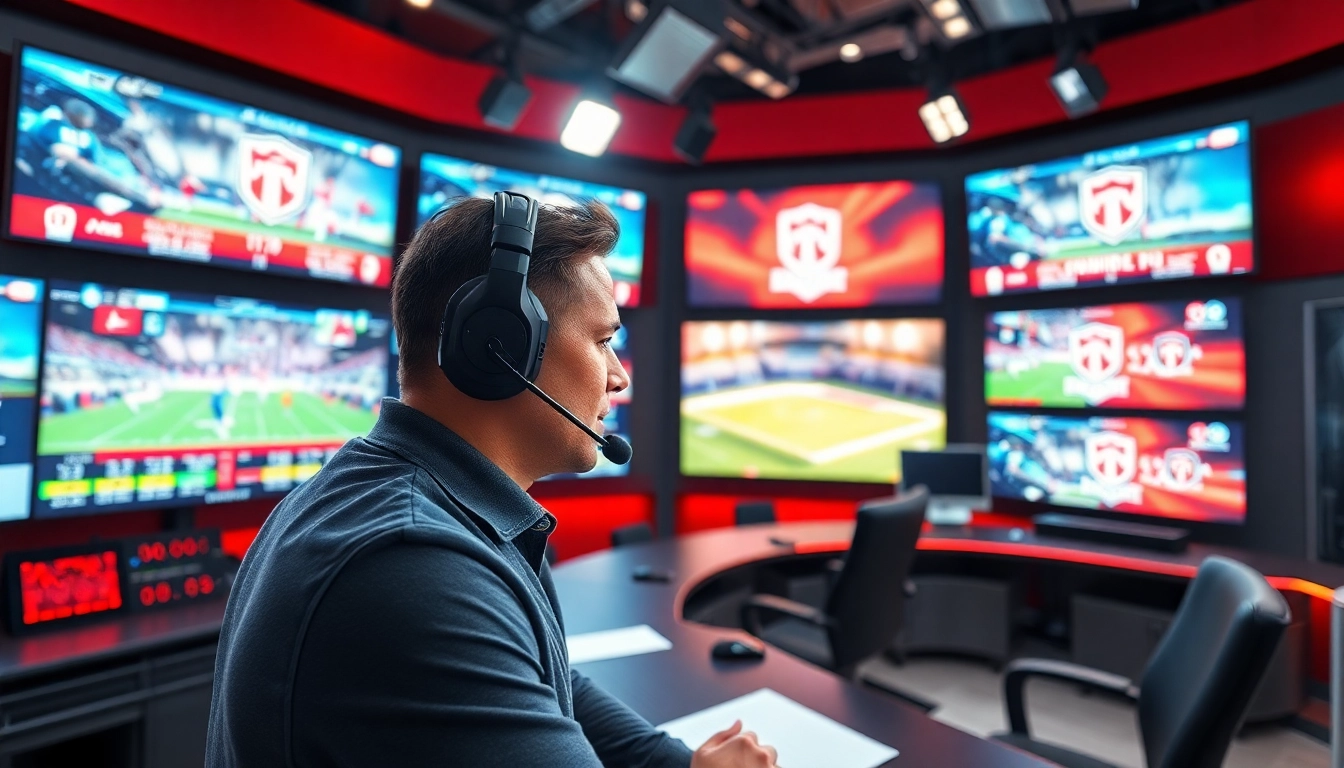
1. Introduction to Sports Broadcasting
1.1 What is Sports Broadcasting?
Sports broadcasting is the method of delivering sports events, news, and related programming to audiences through various media channels, including television, radio, and online platforms. This complex field encompasses a wide range of activities, including production, transmission, and analysis, aimed at engaging sports enthusiasts around the globe. Traditional broadcasts typically feature live coverage of games, interviews with athletes, and commentary, while digital platforms have revolutionized how this content is consumed, allowing for more personalized and interactive experiences. For those seeking a deep dive into Sports Broadcasting, the opportunities in this field are vast and continually evolving.
1.2 History and Development of Sports Broadcasting
The journey of sports broadcasting began in the early 20th century, with radio broadcasts paving the way for television coverage in the 1930s. Major league sports were among the first to capitalize on this trend, using broadcasts to expand their reach and engage with fans who could not attend games. Notable milestones include the first televised baseball game in 1939 and the introduction of color broadcasts in the 1960s, significantly enhancing viewer engagement. As technology advanced, so did sports broadcasting, introducing innovations such as instant replay and multi-camera coverage that transformed viewers' experiences.
1.3 Importance of Sports Broadcasting in Modern Society
Sports broadcasting plays a crucial role in modern society by not only showcasing athletic talent but also fostering community and cultural identity. It acts as a bridge connecting fans to their favorite teams and athletes, creating a shared experience that transcends geographical boundaries. Furthermore, broadcasting influences economic aspects of sports, generating revenue through advertising and sponsorships, while also providing a platform for social issues to be addressed, such as diversity in sports and athlete activism. The ability to watch events in real time has created a culture that thrives on immediacy and connection.
2. Types of Sports Broadcasting
2.1 Traditional vs. Digital Broadcasting
Traditional sports broadcasting refers to the conventional methods of broadcasting via television and radio. This style remains a primary source of sports content for many fans, often providing exclusive coverage and major event highlights. However, digital broadcasting has emerged as a powerful complement to traditional methods, using online platforms to reach viewers who prefer flexible viewing options. Digital broadcasting allows for on-demand access to games, highlights, and commentary, catering to a growing audience seeking convenience.
2.2 Live Streaming Platforms and Their Impact
Live streaming platforms have dramatically transformed the way sports content is consumed. With services such as Twitch, YouTube, and social media channels, viewers can engage with live sports events in real time while interacting with other fans. This shift has forced traditional broadcasters to adapt their strategies to retain viewership. Additionally, live streaming allows lesser-known sports and events to find an audience, enabling niche markets to flourish and diverse athletic competitions to thrive, ultimately enriching the sports landscape.
2.3 Radio and Podcasting in Sports Broadcasting
While visual media dominates the landscape, radio and podcasting remain vital components of sports broadcasting. Sports talk radio continues to engage fans through analyses, interviews, and commentary. Meanwhile, the rise of podcasts has enabled niche sports discussions, offering fans a way to consume content on-the-go. This format allows for deeper dives into sports topics, enhancing audiences' understanding and appreciation of various events. As technology evolves, podcasts are likely to play an increasingly significant role in shaping fan engagement.
3. Key Technologies in Sports Broadcasting
3.1 The Role of HD and 4K Technology
High Definition (HD) and 4K broadcasting technologies have redefined sports viewing experiences. HD enhances clarity and detail, making viewers feel as if they are part of the action. With the transition to 4K, viewers can experience an unprecedented level of detail, even allowing for zoom-ins on plays, which enriches the understanding of athletic performances. Such advancements are not merely cosmetic; they significantly influence viewer engagement and satisfaction, as sports fans no longer merely watch—they experience.
3.2 Innovations in Augmented Reality and Graphics
Augmented Reality (AR) and enhanced graphic displays are shaping the future of sports broadcasting. These technologies provide real-time statistics, player profiles, and interactive graphical overlays during broadcasts, enabling a more immersive viewing experience. For instance, AR can project complex performance analytics directly onto the field, enriching commentary and enhancing fan understanding. As these technologies continue to evolve, they promise to revolutionize how sports are presented and consumed, making it more interactive and engaging.
3.3 Data Analytics in Sports Broadcasting
Data analytics has become a fundamental pillar of sports broadcasting. By analyzing player statistics, team performances, and audience behaviors, broadcasters can tailor their content and deliver insights that resonate with viewers. Advanced analytics enable commentary teams to provide in-depth analyses and predictions, transforming the viewer's experience. As sports continue to embrace digital transformation, leveraging analytics will not only enhance broadcasts but also improve the overall quality of sports reporting.
4. Audience Engagement Strategies
4.1 Interactive Features and Fan Engagement
Engagement strategies have evolved significantly, with interactive features becoming essential for retaining viewer interest. Polls, live chats, and real-time voting allow fans to participate in broadcasts actively, fostering a sense of community. By integrating these features, broadcasters can personalize content based on viewer preferences, significantly enhancing loyalty and satisfaction. This dual engagement approach helps bridge the gap between passive watching and active participation, ultimately driving audience growth.
4.2 Social Media's Role in Sports Broadcasting
Social media platforms are integral to sports broadcasting, serving as hubs for discussion, sharing highlights, and promoting events. Broadcasters leverage social media to create buzz and drive viewership through teaser clips, behind-the-scenes content, and interactive campaigns. These platforms also allow for influencers and fans to engage in discussions, further expanding the reach of broadcasts. As social media continues to evolve, its influence on sports broadcasting will only deepen, creating a more connected and involved fanbase.
4.3 Personalization and Targeting in Broadcasting
Personalization is a prominent trend in sports broadcasting, with advertisers and networks relying on analytics to tailor content to specific audience segments. By understanding viewer behavior, preferences, and demographics, broadcasters can customize advertisements and programming schedules, making them more relevant and appealing. This personalized approach not only increases viewer satisfaction but also enhances advertising effectiveness, leading to better ROI for sponsors and networks alike.
5. Future Trends in Sports Broadcasting
5.1 The Rise of Esports Broadcasting
The explosive growth of esports has opened a new frontier in sports broadcasting. This segment reaches a diverse audience, including younger demographics that traditional sports have struggled to captivate. Platforms specifically dedicated to esports broadcasting are emerging, featuring tournament highlights, player profiles, and immersive content. As esports gains legitimacy, its integration into mainstream sports broadcasting is inevitable, shaping the future landscape of audience engagement and broadcasting strategies.
5.2 Sustainability and Ethics in Sports Broadcasting
With increasing awareness of social and environmental issues, sustainability and ethics are becoming focal points in sports broadcasting. Audiences are more concerned about the impact of their entertainment choices, prompting broadcasters to adopt greener practices and promote ethical behavior among athletes and organizations. This trend will likely lead to a new standard where transparency and accountability are prioritized, fostering a deeper trust between fans and the institutions they support.
5.3 Predictions for the Next Decade in Sports Broadcasting
The next decade in sports broadcasting will be shaped by continued advances in technology, viewing habits, and audience expectations. Innovations in AI could personalize viewer experiences on an unprecedented scale, while virtual reality may allow fans to "attend" games from their living rooms. Additionally, global streaming rights will lead to more competitive and diverse content availability, further enriching the sports broadcasting landscape. As these trends unfold, adaptability will be crucial for businesses aiming to remain relevant and effective in an ever-changing media environment.
FAQs:
1. What is the difference between sports broadcasting and sports streaming? Sports broadcasting typically refers to traditional media like TV and radio, while streaming focuses on delivering content via the internet.
2. How has technology changed sports broadcasting? Technology has enhanced image quality, introduced interactive elements, and enabled real-time data analysis for a richer viewer experience.
3. What types of careers are available in sports broadcasting? Careers can include sports announcer, producer, camera operator, and social media manager, each focusing on different aspects of content creation.
4. Can I broadcast sports events online? Yes, with the right permissions, equipment, and platform, you can live stream sports events to a global audience on platforms like Twitch or YouTube.
5. What future technologies will influence sports broadcasting? AI, VR, and advanced analytics tools are set to revolutionize how sports are broadcasted and consumed in the coming years.